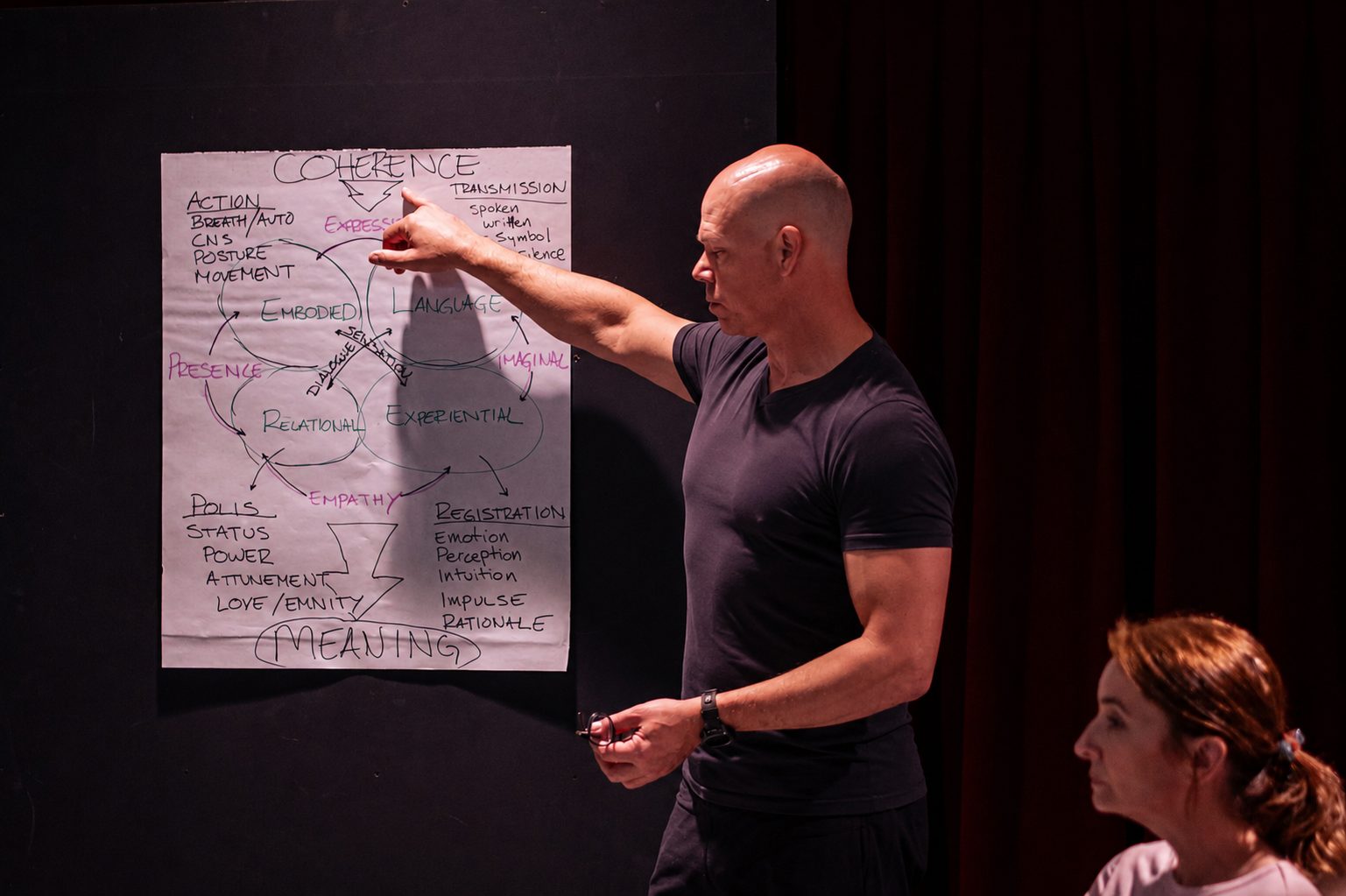
Intensive work integrating physical theater, Jungian depth psychology, and McGilchrist's hemispheric framework: a methodology for recovering play, awe, embodied presence, and metacognitive flexibility.
Professional life rewards one mode of attention: narrow, focused, instrumental, good at manipulating parts. Iain McGilchrist names this the left hemisphere's way of attending. It is indispensable, and on its own it is impoverished. It builds leaders who can analyze anything and feel almost nothing, who manage complexity while losing the capacity to be moved by it.
The faculties that go quiet are the ones that read a room before words are spoken, that hold paradox without flinching, that sense when the moment has changed. Play. Awe. Wonder. The flexibility to watch your own mind work. These are right-hemisphere capacities, and most adult development quietly trains them out.
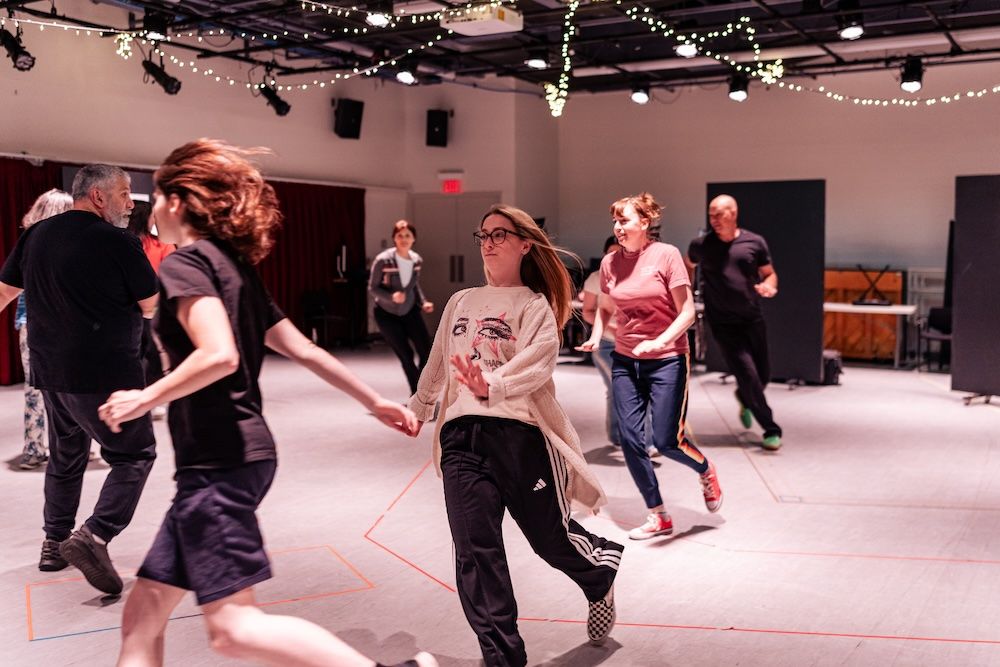
Theater of Self brings three disciplines into working dialogue. From the theater come the practical instruments of presence: breath, impulse, status, mask, the live relationship between performer and audience. From Jungian depth psychology comes a way of meeting the figures and patterns that move beneath awareness. From McGilchrist comes the frame that makes sense of why this matters for how leaders attend and act.
The work is experiential throughout. Participants move, voice, improvise, and reflect. The room becomes a laboratory where it is safe to be seen learning, which is the precondition for any real range to develop. Insight arrives through the body and then becomes available to thought, in that order.
A felt, repeatable access to being fully here: grounded under pressure, readable to others, available to the moment as it actually is.
The ability to notice the mode you are in and to change it: to step out of a reaction and choose a response while the situation is still live.
The recovered freedom to experiment, to be surprised, to work with what arrives rather than only with what was planned.
Access to more of yourself: the qualities a situation calls for, available on demand rather than only when conditions are easy.
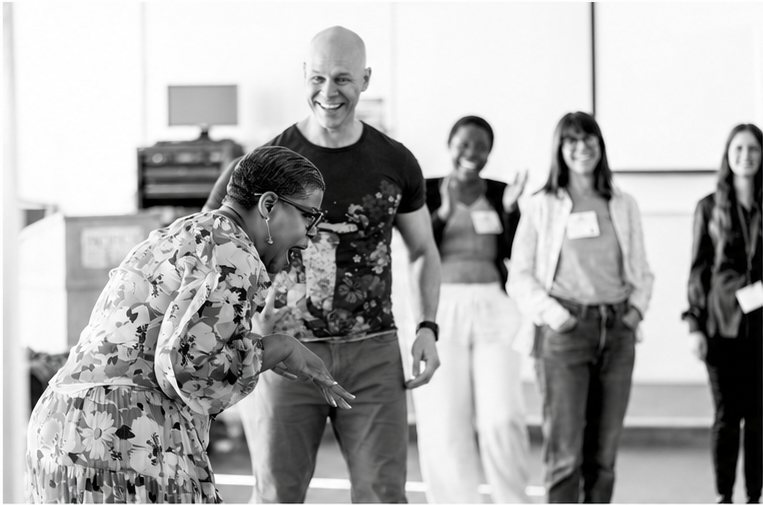
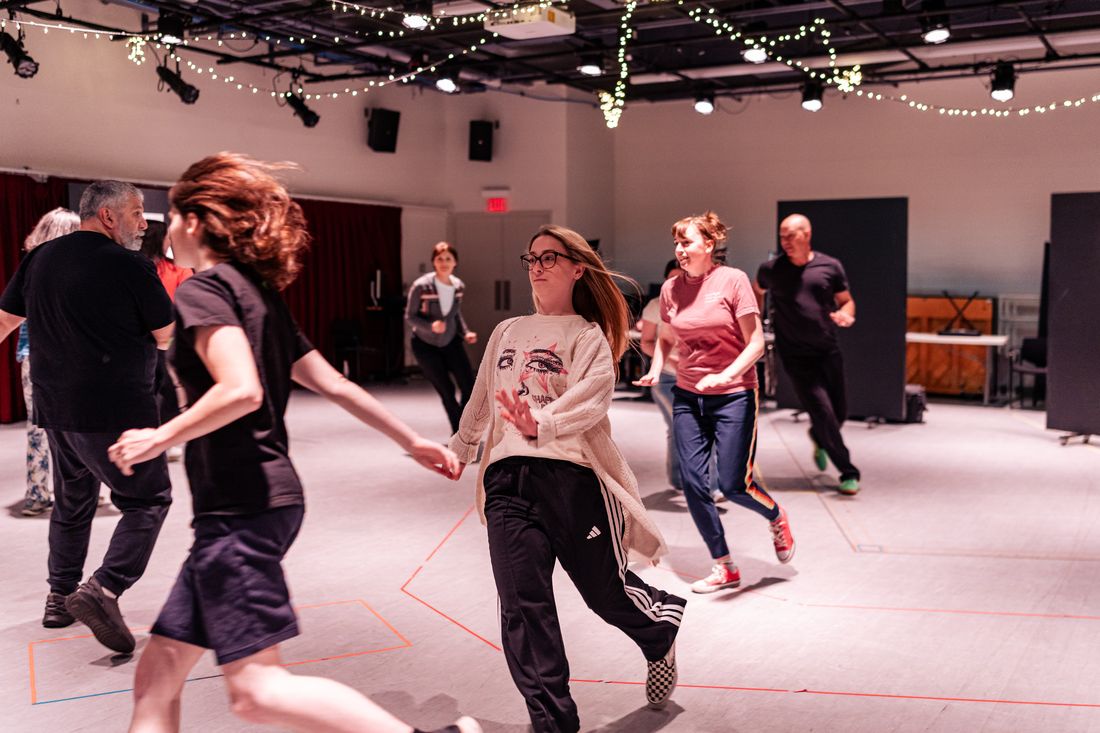
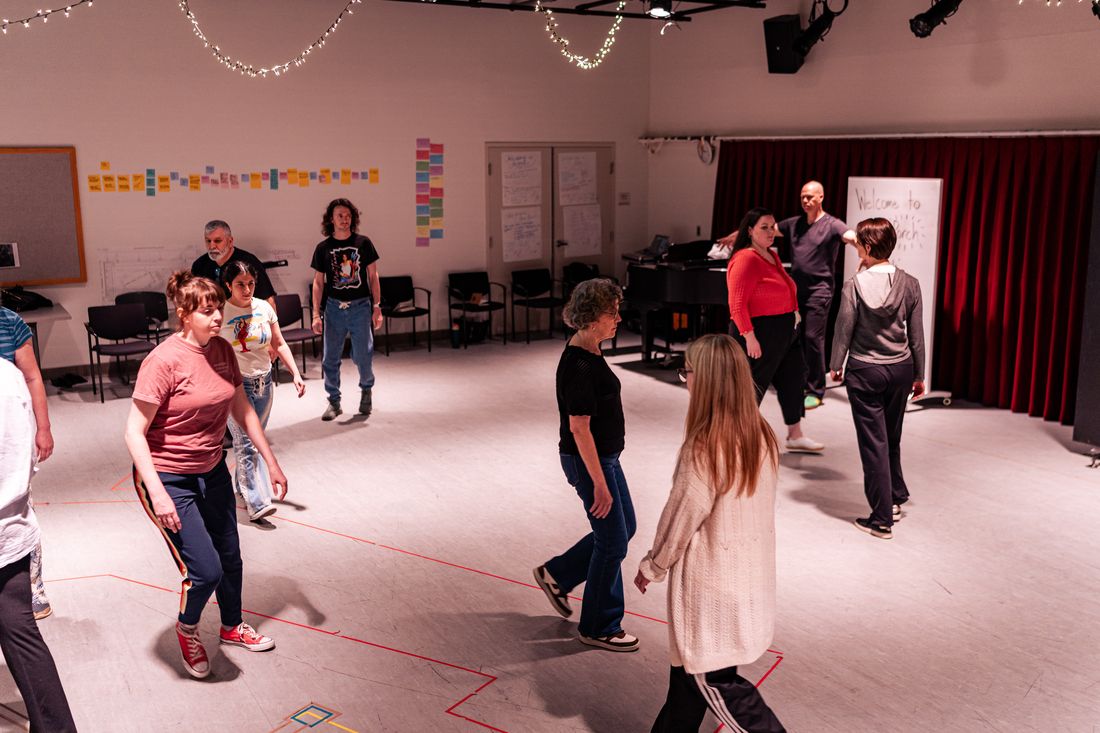
Half-day to multi-day immersions for leaders and teams. The flagship form, where the full arc of the work can unfold.
Embodied sessions built around a real organizational challenge: presence in high-stakes conversation, leading through change, teams under load.
The methodology brought into one-to-one work, for leaders who want the depth of the approach in a private setting.
Sessions for educators and graduate audiences on the theory and practice behind the work, drawn from faculty work at Pacifica.
Leadership teams ready to develop the half of attention their roles have neglected. Organizations facing change that asks for presence as much as planning. Individual leaders who sense that something has gone quiet in them and want it back. Educators and depth-oriented audiences drawn to the integration of theater, psychology, and the science of attention.
The work asks for willingness more than experience. No theater background is needed; the only requirement is readiness to learn through the body in the company of others.
Positioned for healthy aging, healthcare, and purpose-driven audiences, Whole Brain Presence carries this methodology under its own banner, with the through-line from patient to protagonist. It currently runs in relationship with the Princeton Healthy Aging Foundation. If your audience sits in that world, the conversation can begin there.
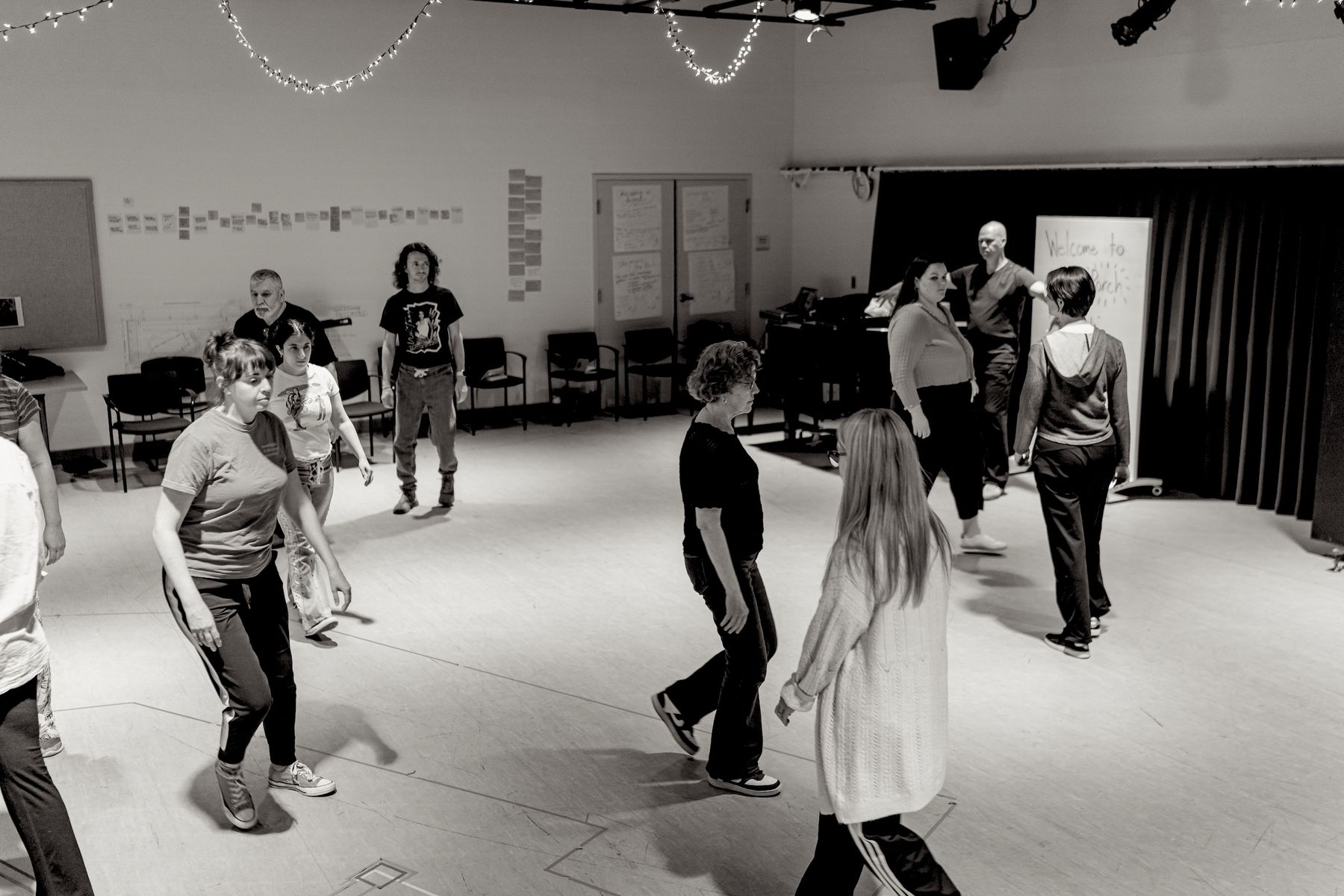
The strongest work is built for a specific room and a specific aim.
Tell me about your team, your audience, or your own edge, and we will shape the form to fit.